
How To Legally Bring Equipment Into Brazil
The ins and outs of gear and electronics
Important Update: As of January 1, 2022, Brazil no longer accepts the ATA Carnet as a customs document. Therefore, travelers to Brazil who are planning on traveling with equipment or electronics will need to complete an E-DBV form from the Brazilian Customs Authority (we can help you with this, so keep on reading to learn more).
MIND YOUR GEAR
When planning a film, TV, or photo shoot in Brazil, one of the most important aspects to consider is how to handle your crew's equipment needs.
Deciding whether to bring your gear with you, ship it by a reputable company or rent locally from Brazil vendors can make a big difference in cost and logistics.
Brazil Production Services (BPS) is here to guide you through this process so that you can make the best decisions for your project regarding production equipment, and especially if you want to bring gear with you into Brazil.
TO RENT LOCALLY OR TO BRING EQUIPMENT FOR YOUR BRAZIL PRODUCTION?
Electronics, including high-end film, video and production equipment, are generally costly in Brazil. Local rental prices, depending on the gear and locality where the gear is rented in the country, can be similar, or higher than those in the United States or Europe. It depends on several factors such as the type of gear, location of the shoot, etc.
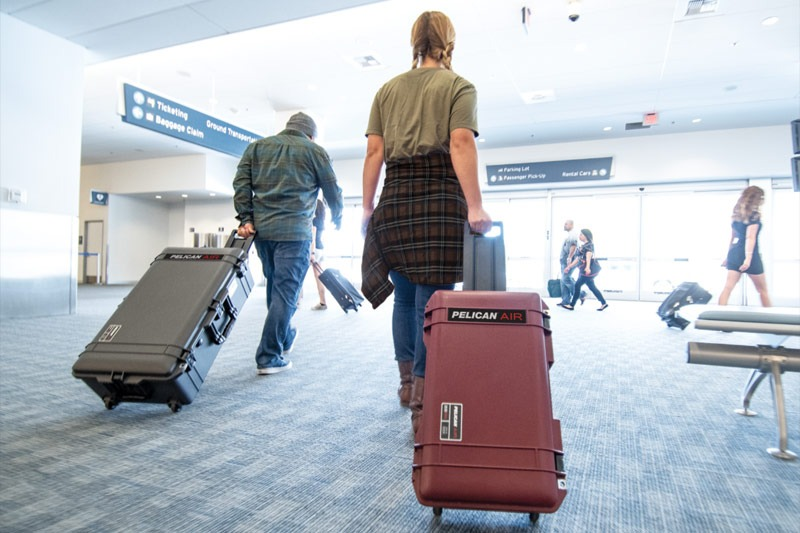
Therefore, we usually recommend that our clients bring essential items such as cameras, lenses, and sound equipment with them and source heavier gear like grip and lighting locally through us.
However, bringing equipment into Brazil involves navigating strict customs regulations. Shipping gear directly to Brazil is often slow, expensive, and highly bureaucratic and, in most cases, we don’t recommend it.
So, if you want to bring your equipment to Brazil, we suggest two reliable processes for temporarily importing your gear into the country: the E-DBV process or – for a lot of gear and given some special cases – shipping it through a specialized freight forwarding company.
AVOID BRAZILIAN CUSTOMS HASSLES: FOLLOW THE PROPER PROCEDURES
The Brazilian Customs Authority (Receita Federal do Brasil) is not a friendly agency. Brazilian customs officials are notoriously strict regarding electronics due to local high taxes on imported goods. It’s essential not to underestimate the importance of legally declaring your production gear when bringing it with you to Brazil from abroad.
If you don’t follow the correct procedures, your equipment may be held indefinitely in customs, incurring steep fines and delays that could derail your shoot. We have seen it happen before too many times and we don’t want it to happen to you.
At BPS, we have years of experience managing equipment imports for productions of all sizes. We’re here to make sure your gear enters Brazil smoothly, whether you use the E-DBV process for carry-on or checked-in items or work with a reputable freight forwarder for larger shipments.
Two methods to legally import equipment into Brazil
As stated above, there are two main methods for legally bringing audiovisual equipment into Brazil. We strongly recommend following one of these methods (and not any other) to avoid complications with Brazilian customs:
E-DBV
The Brazilian Customs Electronic Declaration of Goods for Travelers
The E-DBV is the most common method for temporary equipment importation into Brazil.
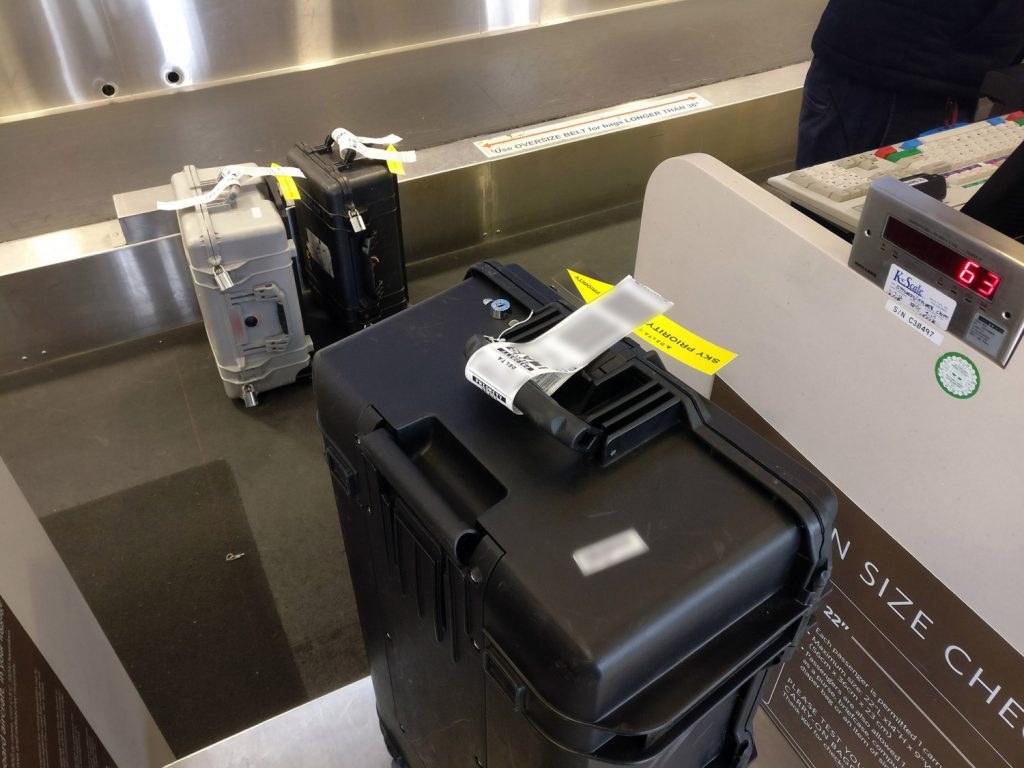
This free process, managed through the Brazilian Tax Authority’s website, allows you to declare your equipment as carry-on or checked-in luggage, making it ideal for smaller productions. This process is what most of our clients end up doing in their production trips.
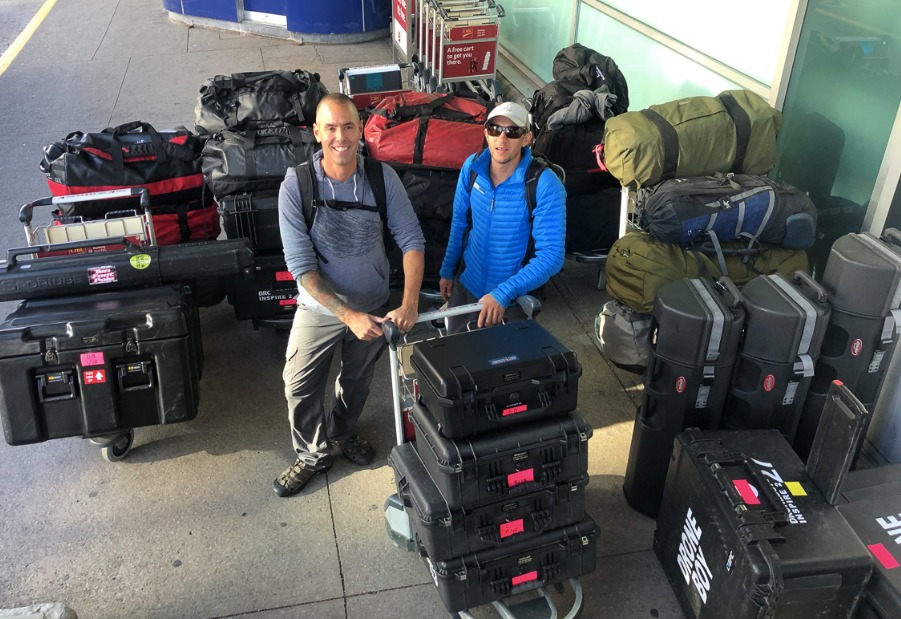
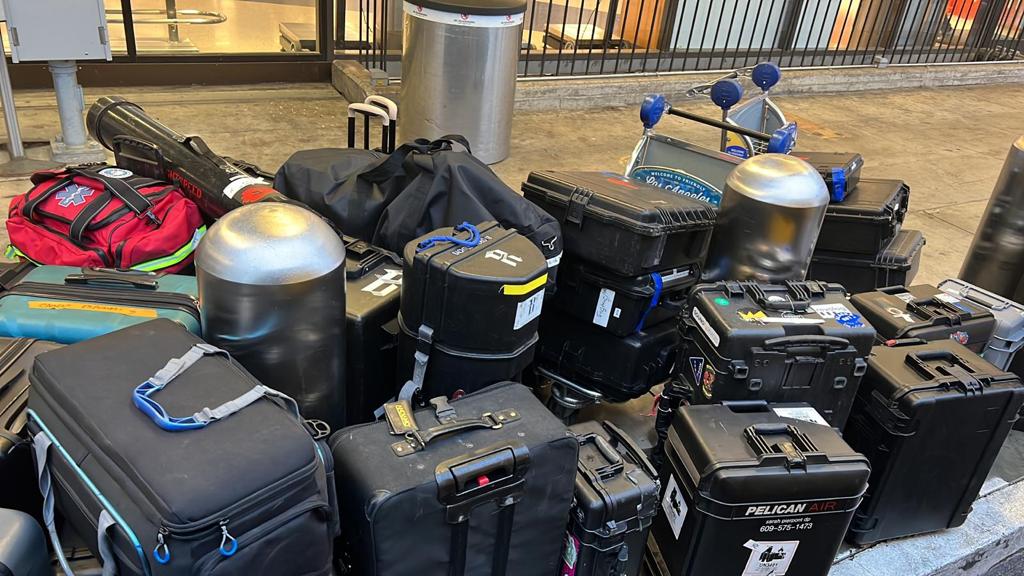
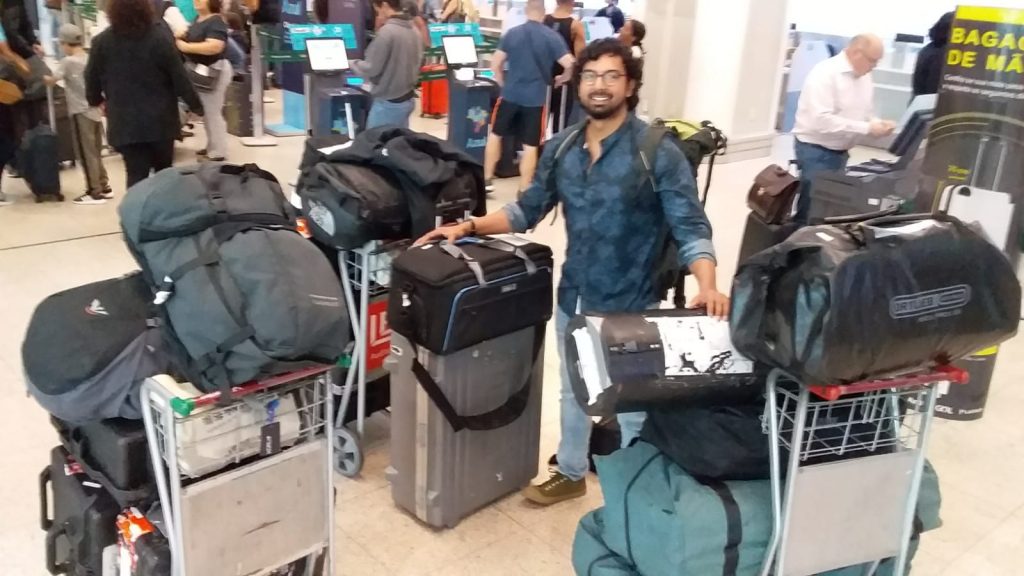
The E-DBV process is similar to the ATA Carnet but is specific to Brazil. It declares to the Brazilian government what you, the traveler, are coming to the country with and will leave the country with so that you will not be liable for import tariffs on your goods. Here’s how the E-DBV process works:
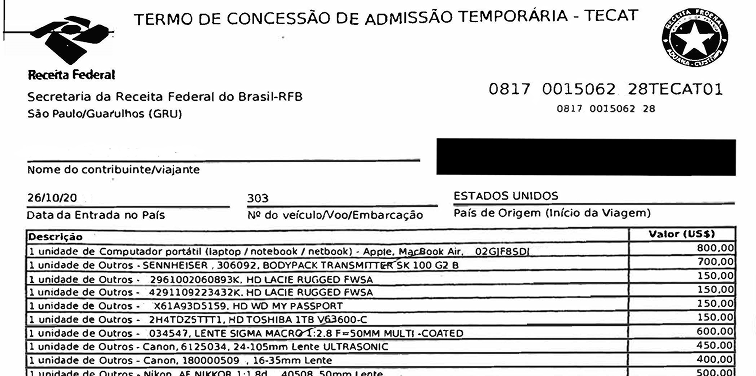
You fill out the E-DBV form online: On it, you list all the equipment you are bringing, and describe each item’s function, make, model, serial number, and replacement value.
Print the form: Once you submit the form, a barcode will be generated. Print this form and bring it with your gear.
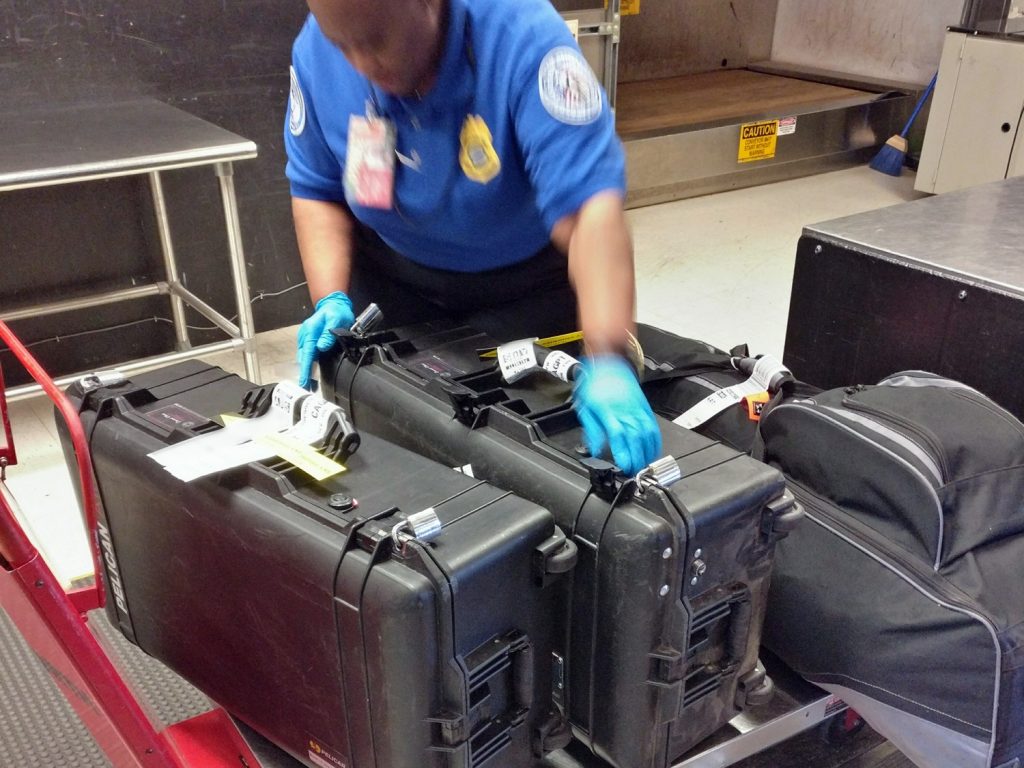
Declare your goods at customs: Upon arrival in Brazil, while still at the airport, you go to the "Goods to Declare" line. Customs officials will inspect your equipment and compare it with the E-DBV form you have printed and taken with you.
Receive a TECAT form: After the inspection, you will receive a stamped TECAT form, which you must keep until your departure day.
Exit process: Before leaving Brazil, at the airport on the day of your departure, customs officials will again inspect your equipment and provide you with an exit stamp, confirming your gear is being re-exported.
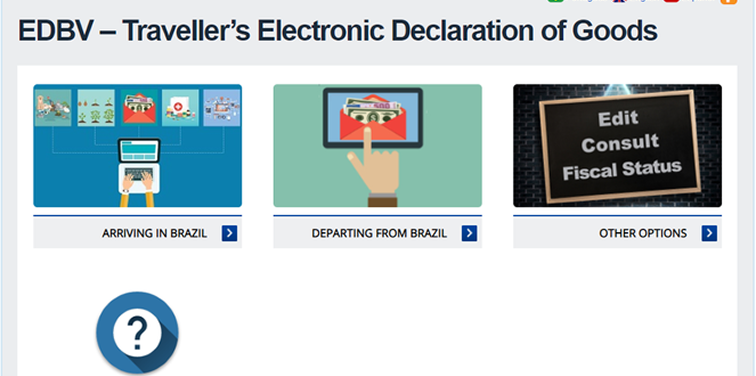
While free, this process can be time-consuming and prone to errors due to the buggy Brazilian government website and confusion in dealing with customs officials at the airports.
Additionally, customs officials may not speak English, making the inspection process challenging for international crews. BPS can handle this process, ensuring all paperwork is completed accurately to avoid delays and by providing personalized instructions for you or even a customs expeditor at the airport to help clear gear if a client needs this type of assistance.
FREIGHT-FORWARDING
Shipping Equipment With Specialized Partners
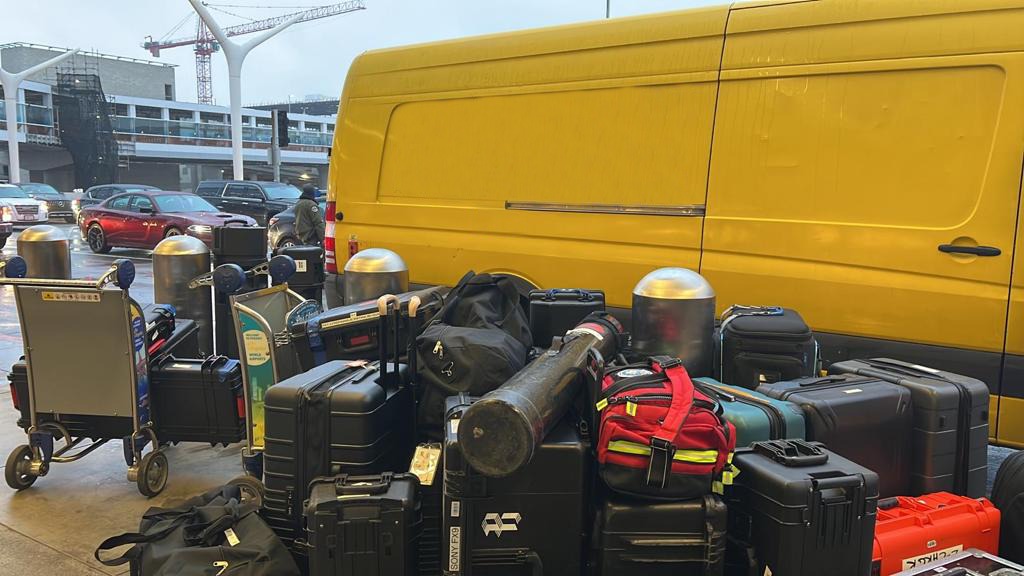
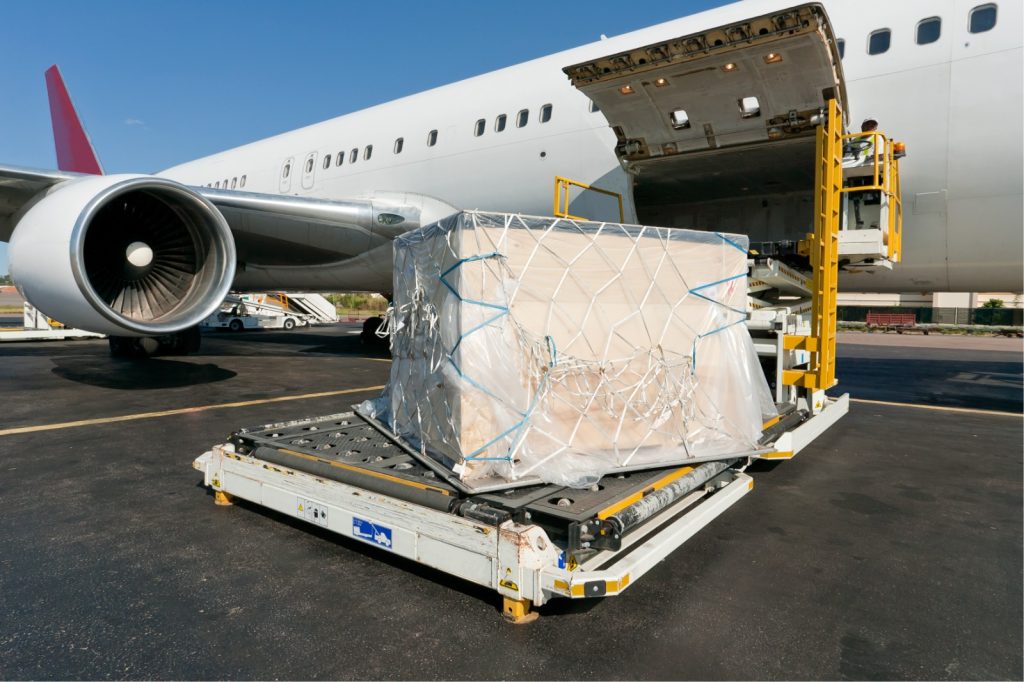
Some projects require the temporary importation of several tons of equipment. If your project has this kind of a demand, then you absolutely must ship your gear through an experienced freight forwarder. This is crucial for larger productions that require shipping equipment.
Shipping gear (or anything really) via standard couriers like DHL or FedEx is not recommended at all, as your equipment will likely get stuck in customs for an extended period, resulting in high fees, significant delays and lots of frustration.
A legitimate freight forwarder specializes in special international shipments and understands the bureaucratic nuances of Brazilian customs.
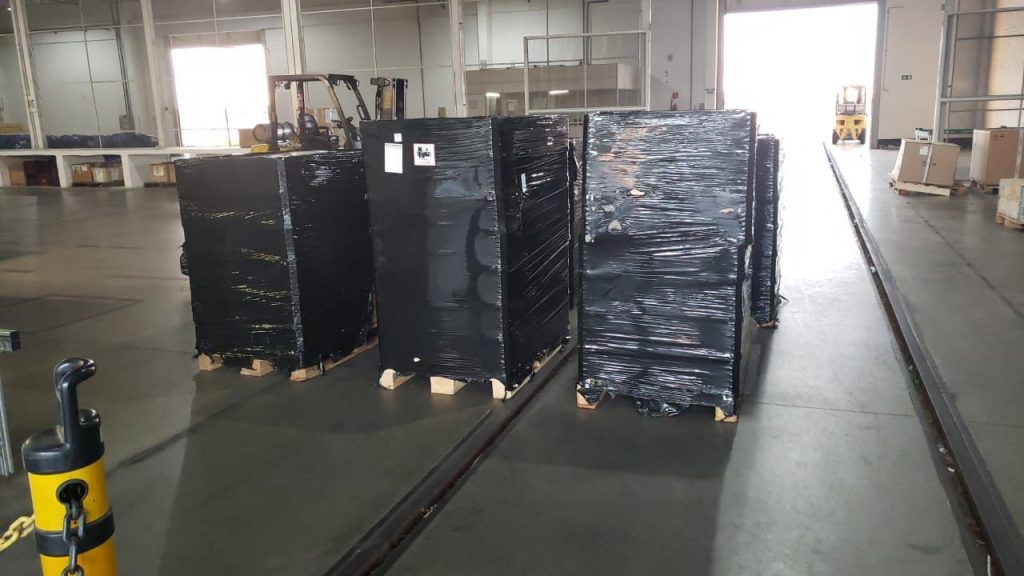
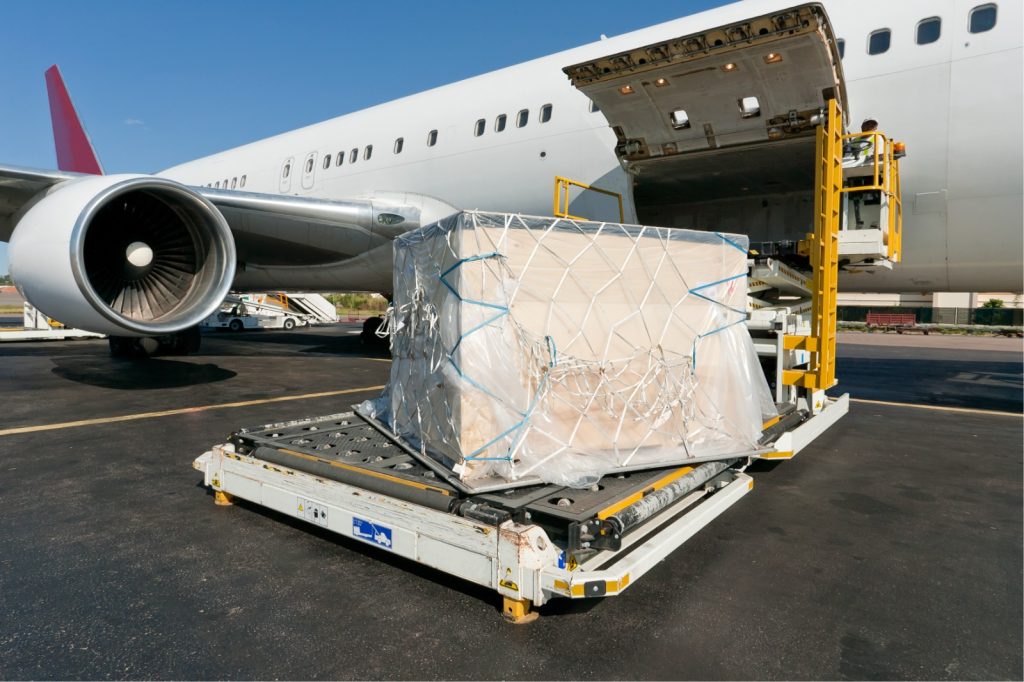
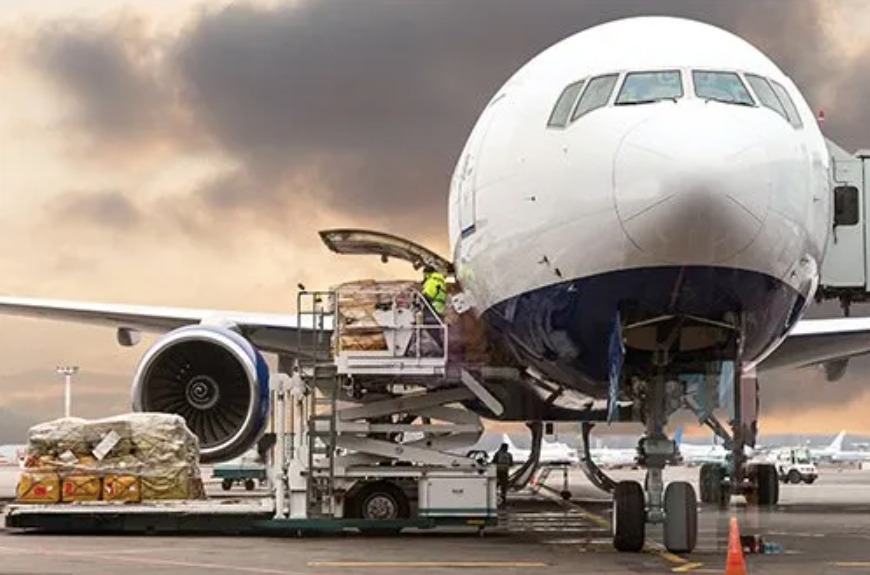
They will ensure your gear clears customs smoothly and arrives on time at your production location. We recommend trusted Brazilian companies such as Waiver Logistics (now part of the Rock It Cargo family) or other Brazilian companies such as Sax Logistica or New Expo. American companies like Packair, SOS and Global Express also offer this service, but it’s important to stress that the complicated portion of the job – clearing Brazil customs and getting the equipment to location – will be handled by a Brazilian freight-forwarder and the ones mentioned above are the ones we have worked with in the past and recommend.
While freight-forwarding is way more expensive than checked luggage, it is the safest option for transporting large amounts of gear or if you need to send gear ahead of your crew’s travel dates.
As with any process pertaining to dealing with Brazilian customs, we highly encourage our clients to mind the details when dealing with requirements from the Brazilian agency. Their rules are complex and they are quite prickly to deal with. So, if you will ship gear to Brazil take everything that the representative at the Brazilian freight-forwarding company says seriously and allow yourself time for the shipment, as the Brazilian Customs Authority is slow in doing its job and its workers like to go on strike a lot.
WHY YOU SHOULD WORK WITH BPS FOR YOUR EQUIPMENT IMPORTATION?
Brazil Production Services is highly experienced in managing customs processes for audiovisual productions, having done the EDBV process hundreds of times and having overseen projects that shipped gear to Brazil with freight-forwarders dozens of times. If you hire us, we will:
Guide you through the E-DBV or freight-forwarding process.
Handle all the necessary paperwork and liaise with Brazilian customs officials (if needed).
Ensure your equipment enters and leaves Brazil legally and without complications.
Our team will manage all the logistics of the customs process so that your gear will be in Brazil when you want it and so that you can focus on more important things.
Bringing equipment
to Brazil?
If you have any questions about Brazil customs and your equipment temporary importation, whether for a small project or a large-scale production, contact us today.
We’ll help you choose the best method to bring your gear to Brazil efficiently, legally, and without stress.